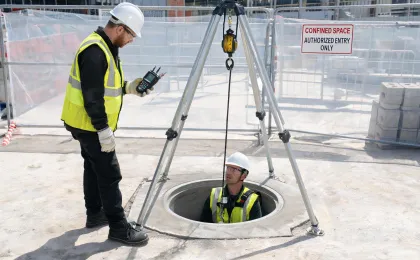
Construction
Gas detector, hard hat, hearing protection, entry log, and supervisor escalation for utility vaults and temporary enclosed spaces.
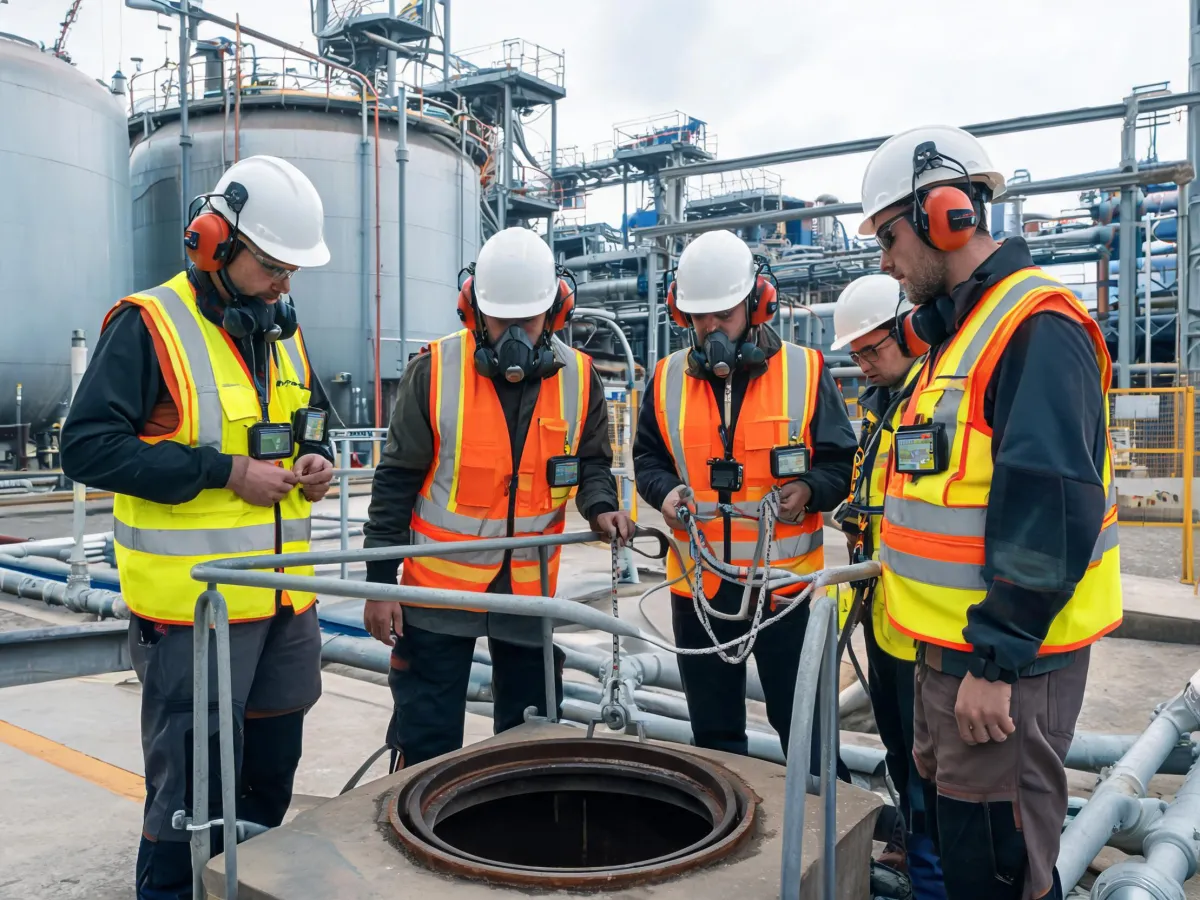
Gas detector, hard hat, hearing protection, entry log, and supervisor escalation for utility vaults and temporary enclosed spaces.
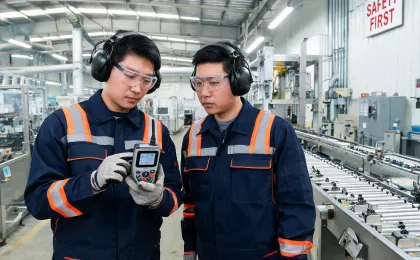
Hot work monitoring, noise control, docking records, and task-based equipment checkout for maintenance and production crews.
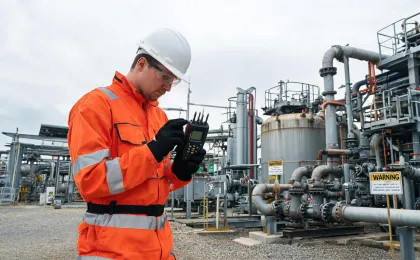
LEL, O2, CO, and H2S monitoring with intrinsically safe hardware planning and documented response expectations.
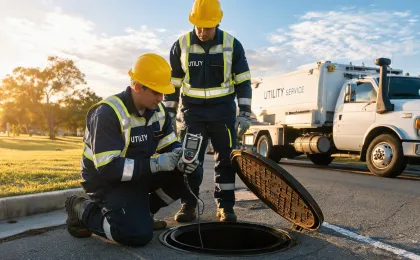
Remote work order alignment, monitor assignment, and periodic calibration review for distributed field service teams.
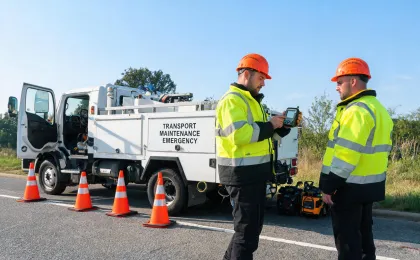
Rapid staging of monitors, replacement sensors, and post-incident documentation for response crews and fleet maintenance.
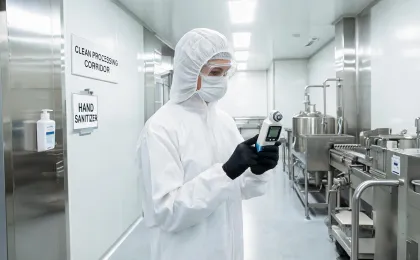
Clean-area maintenance monitoring, audit-ready docking logs, and low-disruption service planning for regulated facilities.
The matrix gives stakeholders a shared starting point. It is not a replacement for site-specific hazard assessment, but it helps purchasing, safety, and operations avoid mismatched equipment requests.
| Construction | Confined-space atmospheres, impact, noise, and changing access conditions. References often include OSHA confined-space procedures, ANSI Z89.1 head protection, and documented monitor bump testing. |
|---|---|
| Oil, gas and mining | LEL, oxygen deficiency, CO, H2S, and remote worker response. Recommended bundle: multi gas detector, area monitor, docking, FR clothing context, and escalation protocol. |
| Manufacturing | Hot work, solvents, noise, maintenance shutdowns, and forklift traffic. Recommended bundle: portable gas monitor where relevant, hearing protection, eyewear, and service records. |
| Utilities | Underground entries, electrical proximity, lone work, and distributed crews. Recommended bundle: compact monitor, calibration plan, arc-rated PPE context, and work order data mapping. |
A multi-unit facility needed a cleaner process for assigning monitors to contractors during turnaround work. The review separated permanent area monitoring from portable device checkout and created a bump-test exception report for supervisors.
Distributed field teams required monitor readiness information before underground work. The pilot connected docking records to work planning and gave safety leadership a weekly view of missed checks.
A contractor serving refineries and plants wanted consistent documentation across client sites. The program standardized gas profiles, device assignment, and training refreshers while keeping local site rules visible.
Industrial Scientific content distinguishes approval, compliance, and program documentation. For example, OSHA requirements govern workplace practices, while ATEX or IECEx references relate to hardware used in certain hazardous-area contexts.
Send your high-priority sites, known gases, existing device pool, and documentation needs. The response can outline candidate bundles, pilot roles, and the questions your local safety team should verify before deployment.