Real-time gas readings, docking records, worker status, and EHS data integration help safety leaders see what is happening across confined spaces, maintenance work, turnarounds, and remote crews without presenting any device as a substitute for trained supervision.
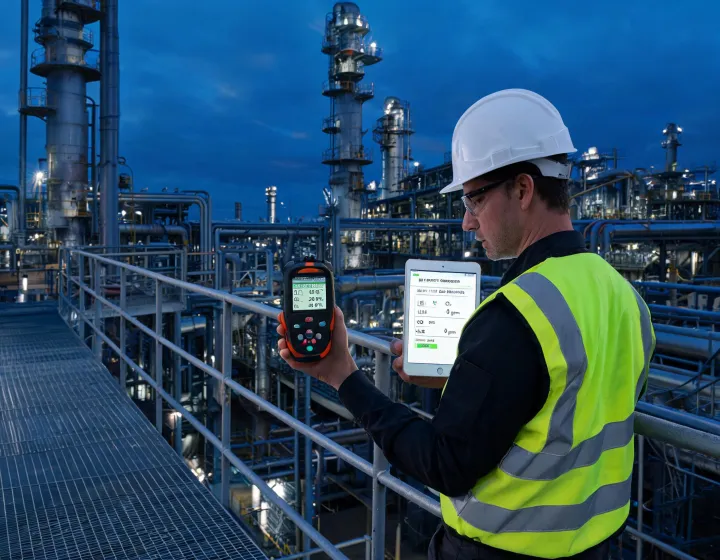
Rather than forcing every buyer through a generic catalog, each package combines gas detection, air monitoring, hearing protection, and field documentation around the way crews actually move through a site.
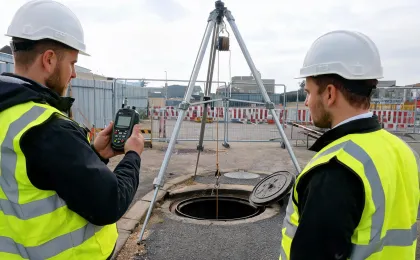
Hard hat, hearing protection, portable gas detector, bump test record, and entry log for utility vaults and temporary worksites.
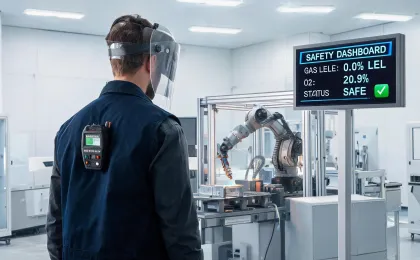
Noise checks, hot work area monitoring, calibration reminders, and supervisor alerts for maintenance teams and production lines.
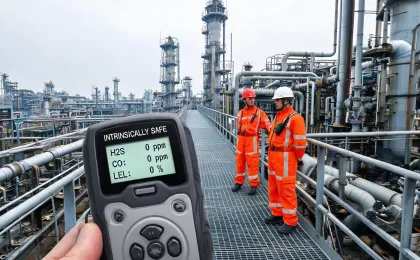
LEL, oxygen, CO, and H2S monitoring paired with docking, area alarms, and response escalation for high-hazard crews.
Work order data, monitor assignment, and inspection prompts for substations, tunnels, meter work, and remote service calls.
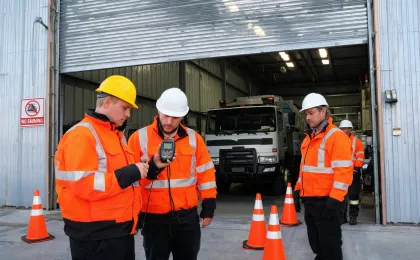
Rapid monitor staging, shift handoff notes, and incident-ready data exports for responders, fleet teams, and field supervisors.
Compact monitoring, audit logs, and low-disruption calibration planning for clean rooms, processing lines, and maintenance entries.
Industrial Scientific buyers usually need a sequence that respects existing monitors, training schedules, and audit obligations. The program roadmap keeps device data tied to action.
Catalog current monitors, gases, docking stations, hearing protection needs, and job roles before recommending changes.
Assign devices to crews, define alarm pathways, and measure bump-test completion, response timing, and usage consistency.
Connect EHS dashboards, work orders, and reporting exports without asking supervisors to rebuild every workflow from scratch.
Review lessons from the pilot, document training gaps, and scale the program through procurement, safety, and operations gates.
See monitor assignments, alarms, exposure context, and overdue calibration tasks in a form usable for program review.
Plan shift coverage, confined-space work, and maintenance windows without waiting for manual device spreadsheets.
Understand device counts, docking needs, accessories, and service cadence before issuing multi-site replenishment orders.
Give crews a clear routine for bump tests, monitor checkout, alarm escalation, and end-of-shift handoff.
Share your sites, gases, device counts, docking process, and reporting needs. The response will focus on practical deployment steps, not broad claims that any product can remove every workplace risk.